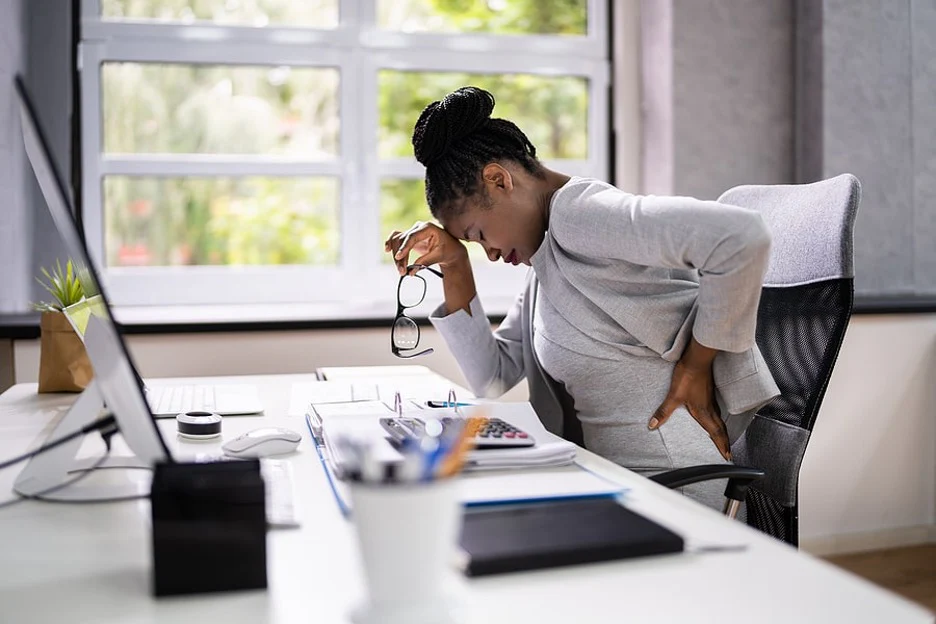
Introduction In the digital age, most of us spend the majority of our waking hours sitting—whether at a desk, in a car, or on a couch. However, the human body is logically designed for motion. Science has shown that prolonged sitting can lead to a variety of health issues, often referred to as “sitting disease.” At Sanologic Health, we believe that minor adjustments in your daily routine can lead to major health transformations. Understanding why and how to move is the logical key to long-term physical vitality.
1. The Metabolic Impact of Sitting When you sit for extended periods, your body’s metabolism slows down significantly. The enzymes responsible for breaking down fats and sugars decrease in activity. Logically, this increases the risk of weight gain and metabolic disorders. By simply standing up every 30 minutes, you reactivate these enzymes and keep your body in a state of “metabolic readiness.”
2. Protecting Your Spine and Posture Prolonged sitting puts immense pressure on the lumbar region of your back. This is why we previously discussed [6 logical ways to protect your back]. Slumping or leaning forward leads to muscle imbalances and chronic pain. Logically, incorporating regular stretching breaks prevents your muscles from becoming “locked” in a poor posture, ensuring your spine stays healthy and aligned.
3. Blood Circulation and Leg Health Sitting for hours causes blood to pool in your legs, which can lead to swelling and, in extreme cases, more serious vascular issues. The most logical solution is movement. Just as a [daily walking routine] improves heart health, taking short walks around your room or office helps pump blood back to your heart, reducing the strain on your veins.
4. The Mental Logic of “Micro-Breaks” Your brain also suffers from physical stillness. Lack of movement reduces blood flow and oxygen to the brain, leading to fatigue and decreased focus. Logically, taking a [5-minute mindful break] to stretch or walk not only helps your body but also clears your mind. These “micro-breaks” are a logical investment in your productivity and mental clarity.
5. Simple Habits to Stay Active at a Desk You don’t need a gym to stay healthy. Logically, small changes are the most sustainable:
- The 30-Minute Rule: Set a timer to stand up every half hour.
- Phone Call Pacing: Try to walk or stand while talking on the phone.
- Desk Stretches: Perform simple neck and shoulder rolls to release tension.
- Hydration Strategy: Keeping a glass of water nearby encourages you to stand up more frequently to refill it, while staying consistent with your [daily hydration goals].
6. The Logical Link Between Posture and Mood It is not just about physical pain; logically, your posture affects your mental state. Scientific studies suggest that sitting in a slumped position for long periods can increase feelings of fatigue and even lower your self-esteem. When you sit upright or stand up to move, you change your hormonal levels, reducing cortisol (the stress hormone). At Sanologic Health, we see movement as a logical tool for emotional regulation. A simple 2-minute stretch can literally change how you feel about your day.
7. Micro-Movements: The Future of Office Health You don’t always need to go for a long walk to break the cycle of sitting. Logically, “micro-movements” like calf raises under your desk, stretching your wrists, or even shifting your weight from side to side while standing are effective. These small actions keep your lymphatic system moving, which is responsible for removing waste from your body. Integrating these tiny, logical habits ensures that even on your busiest workdays, your body remains a priority.
Conclusion Movement is the natural language of the human body. While our modern lifestyle may demand sitting, our logic should demand movement. By integrating these small, logical changes into your day, you are protecting your heart, your back, and your mind. At Sanologic Health, we believe that staying active is the simplest way to honor your body’s design. Stand up, stretch, and move—your body was built for it.