Introduction
In recent years, the medical community has uncovered a profound link between what we eat and how we feel. For a long time, mental health was treated as a separate entity from physical health. However, modern research into the “Gut-Brain Axis” has revealed that our digestive system is essentially our “second brain.” The food you consume does more than just fuel your muscles; it directly impacts your mood, your stress levels, and your cognitive clarity. Understanding this connection is the first step toward achieving total wellness.
1. The Science of the Gut-Brain Axis
Your gut and brain are physically and biochemically connected through millions of nerves, most notably the Vagus Nerve. This nerve acts as a bidirectional highway, sending signals between your digestive tract and your central nervous system.
- Serotonin Production: Did you know that about 95% of your body’s serotonin—the hormone that regulates mood and sleep—is produced in your gastrointestinal tract?
- Microbiome Diversity: A healthy gut is home to trillions of bacteria. When these bacteria are out of balance, it can lead to increased feelings of anxiety and depression.
2. Neuroinflammation: The Silent Mood Killer
One of the most critical aspects of the gut-brain connection is the role of inflammation. When the gut environment is unhealthy due to a poor diet, it can lead to a condition often referred to as “leaky gut.” This allows toxins to enter the bloodstream, triggering a systemic immune response.
- Brain Inflammation: These toxins can cross the blood-brain barrier, leading to neuroinflammation. Chronic inflammation in the brain is a leading cause of cognitive decline and depressive symptoms.
- The Antioxidant Shield: By consuming anti-inflammatory foods, you provide your brain with a protective shield against the oxidative stress that damages neural pathways.
3. Top Foods for Mental Clarity and Mood
To keep your “second brain” healthy, you must prioritize nutrient-dense foods that support neurological function.
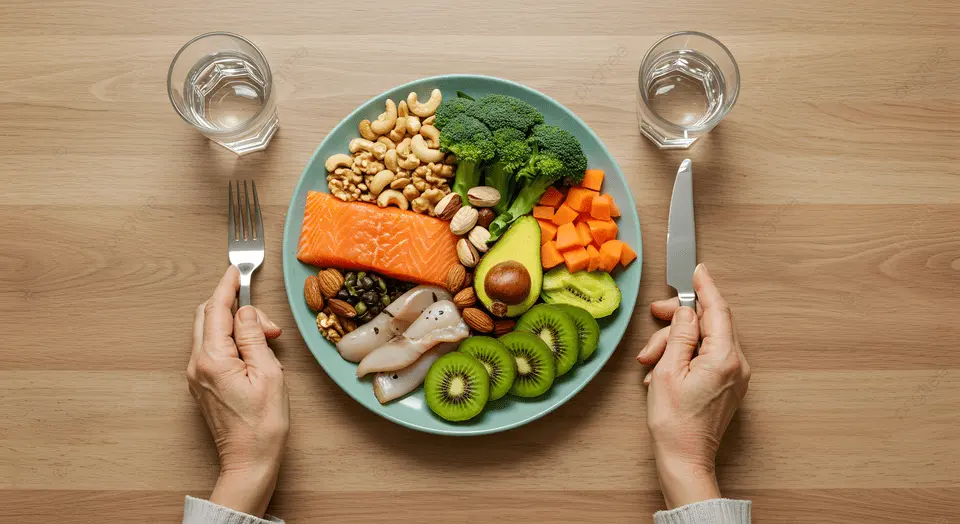
- Omega-3 Fatty Acids: Found in fatty fish, walnuts, and chia seeds, these are essential for brain cell structure and reducing inflammation.
- Fermented Foods: Yogurt, kefir, and sauerkraut are rich in probiotics that directly improve the health of your gut microbiome.
- Complex Carbohydrates: Foods like oats and sweet potatoes provide a steady release of glucose, preventing the “sugar crashes” that lead to irritability.
Internal Link Suggestion: “Proper nutrition works best when combined with hydration. Read our previous guide on [The Ultimate Guide to Hydration] to see how water supports your metabolism.”
4. The Impact of Sugar and Processed Foods
High sugar consumption is one of the biggest enemies of mental stability. When you consume refined sugars, your blood sugar spikes and then drops rapidly.
- Inflammation: Processed foods can cause chronic inflammation in the body, which has been linked to a higher risk of mood disorders.
- The Sugar Cycle: Constant cravings for sugar can lead to a cycle of fatigue and low motivation, affecting your daily productivity.
5. Advanced Dietary Habits for Mental Resilience
Beyond just choosing the right foods, how and when you eat can also play a role in your psychological well-being.
- Intermittent Fasting and Autophagy: Some studies suggest that giving the digestive system a break through fasting can trigger “autophagy,” a cellular cleaning process that benefits brain health.
- Magnesium-Rich Greens: Magnesium is often called the “original chill pill.” Leafy greens like spinach and kale are packed with this mineral, which helps relax the nervous system and improve sleep quality.
6. Frequently Asked Questions (FAQ)
- Can diet alone cure anxiety? While diet is a powerful tool, it should be part of a holistic approach that includes exercise and professional support if needed.
- How long does it take to feel a difference? Most people notice improvements in their energy and mood within 2 to 4 weeks of consistent dietary changes.
Conclusion
Your journey to mental wellness begins on your plate. By nourishing your gut, you are directly investing in your mental resilience and happiness. As you continue to build your digital presence and achieve your goals, remember that a healthy mind is your greatest asset.
Pingback: The Science of Sleep: Why Deep Rest is the Pillar of Long-Term Health - Sanologic Health