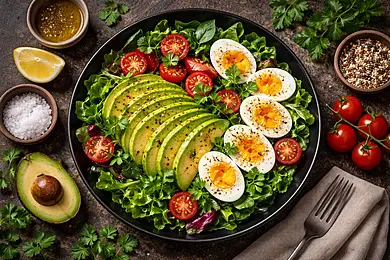
Introduction Protein is the most discussed macronutrient in the fitness world. Logically, as the building block of every cell, muscle, and enzyme in our bodies, its importance cannot be overstated. However, the debate between plant-based and animal-based protein often becomes emotional rather than biological. At Sanologic Health, we look at protein through a lens of efficiency and long-term health. To optimize your recovery and vitality, it is essential to understand the logical differences between these two sources and how they fit into a balanced human lifestyle.
1. The Logic of Amino Acid Profiles Logically, the quality of a protein source is determined by its amino acid profile. Animal proteins (meat, eggs, dairy) are “complete,” meaning they contain all nine essential amino acids that the human body cannot produce on its own. Plant proteins, with a few exceptions like soy or quinoa, are often “incomplete.” However, the logic of modern nutrition shows that you don’t need all amino acids in a single meal. By combining different plant sources—like beans and rice—you create a complete profile that supports muscle growth just as effectively.
2. Digestibility and Bioavailability Bioavailability refers to how much of the protein you eat is actually absorbed by your body. Logically, animal protein has a higher bioavailability score, meaning the body finds it easier to utilize. This is particularly important for [post-workout recovery] , where fast absorption is key. On the other hand, plant proteins are often wrapped in fiber. While this slows down absorption, it provides the “broom” effect we discussed in our guide on [the logic of fiber] , supporting gut health while you build muscle.
3. The “Package” Deal: Saturated Fats vs. Fiber When you eat protein, you aren’t just eating protein; you are eating the whole “package.” Logically, a steak comes with saturated fats and cholesterol, which can impact [cardiovascular health] if consumed in excess. A bowl of lentils, however, comes with zero cholesterol and a high dose of fiber. At Sanologic Health, we believe the logic of longevity favors a diverse intake. Choosing plant proteins more often can reduce inflammation and support your [immune system].
4. Impact on Longevity and Disease Prevention Large-scale biological studies logically suggest that diets higher in plant-based proteins are linked to a lower risk of chronic diseases. This is partly due to the phytonutrients found in plants that aren’t present in meat. While animal protein is superior for rapid muscle hypertrophy (growth), plant protein is often the logical choice for cellular repair and preventing the oxidative stress we mentioned in our article on [habits to reduce stress].
5. Environmental and Digestive Logic For many, plant protein is more “logical” for the digestive system. Some people find that heavy meat consumption leads to lethargy and bloating, affecting their [daily energy management] . Plant-based options are often lighter on the stomach, making it easier to stay active and follow a [daily walking routine] . Additionally, the environmental logic of plant protein is undeniable, as it requires significantly fewer resources to produce.
6. Finding the Logical Balance You don’t have to choose only one side. Logically, the best approach for most people is “protein diversity.”
- Use high-quality animal sources like eggs (which we’ve noted as a staple in a healthy diet) for their high bioavailability.
- Use plant sources like legumes, nuts, and seeds for their fiber and heart-protective benefits.
- Supplement with [superfoods like dates] for natural energy to fuel your protein synthesis.
Conclusion The logic of protein is not about “meat vs. plants,” but about “quality and balance.” Whether you are trying to build muscle or simply maintain your health as you age, your body needs a steady supply of amino acids from diverse sources. At Sanologic Health, we encourage you to look at your plate as a biological investment. By combining the strengths of both plant and animal proteins, you provide your body with the complete toolkit it needs for a long, vibrant, and logical life.
Pingback: The Logic of Supplements: When Does Your Body Truly Need an Extra Boost? - Sanologic Health